Seasonal Ant Activity and When to Schedule Pest Control Service
Understanding seasonal ant activity and when to schedule pest control helps homeowners prevent infestations, and local contractors can provide effective treatments to keep ants away.
Understanding seasonal ant activity and when to schedule pest control service can be essential for property owners looking to protect their homes and outdoor spaces. As ants tend to become more active during specific times of the year, recognizing these patterns can help prevent infestations before they start. Local contractors specializing in seasonal ant pest control are equipped to assess your property’s unique needs and recommend the most effective timing for treatments, ensuring your space remains ant-free during peak activity periods.
Exploring this topic is practical for property owners who want to stay ahead of ant problems and maintain a comfortable, pest-free environment year-round. By being aware of seasonal fluctuations and scheduling pest control services accordingly, homeowners and business owners can reduce the risk of extensive infestations and property damage. Local service providers offer tailored solutions designed to address seasonal ant activity, helping you keep your property protected when it matters most. Keep reading to learn more about how timing and professional assistance can make a difference in managing ant activity effectively.
- Seasonal ant pest control services are often needed when ant activity increases during specific times of the year, prompting local contractors to implement targeted treatments. Professionals assess ant behavior patterns and apply appropriate solutions based on seasonal trends to effectively manage infestations. When signs of ant activity emerge or become more noticeable, service providers can schedule treatments to prevent larger colonies from establishing. Local pros utilize seasonal insights to determine the optimal timing for pest control, ensuring ant problems are addressed proactively. Contacting experienced service providers at the right time can help manage seasonal ant activity and reduce the risk of future invasions.
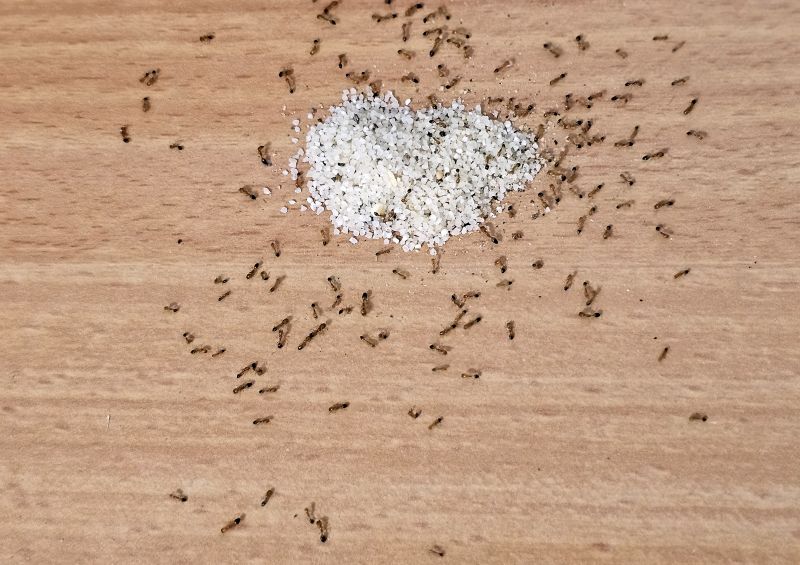
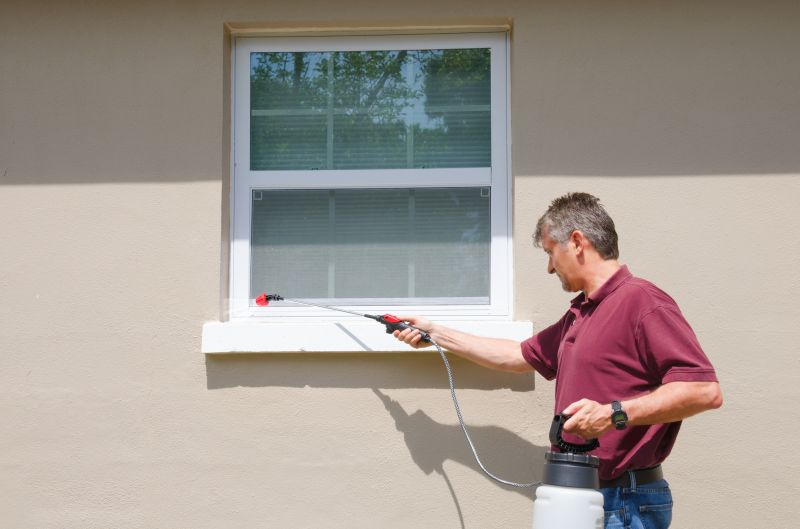
Understanding seasonal ant activity and when to schedule pest control service is a common concern for homeowners dealing with ant infestations. Many people search for this topic when they notice increased ant sightings around their property, especially during certain times of the year. The goal is often to prevent a full-blown invasion or to address ongoing issues before they worsen. This involves recognizing patterns in ant behavior linked to the seasons, such as when colonies become more active, reproduce, or expand their foraging areas. Homeowners may also be planning routine pest control treatments and want to time them effectively to stay ahead of ant activity.
This topic relates to a variety of property types, including single-family homes, townhouses, and multi-unit residential complexes. It can also apply to commercial properties like restaurants, retail stores, and office buildings where ant activity can disrupt operations or create hygiene concerns. Typically, the focus is on properties that have easy access points or attractants such as food sources, moisture, or shelter. Knowing when ants are most active helps property owners decide the best time to implement pest control measures, whether through preventive treatments or targeted eradication efforts.
People searching for seasonal ant activity and when to schedule pest control service are often concerned with specific problems like sudden ant swarms, persistent trails, or colonies nesting close to or inside their structures. They may also be planning seasonal maintenance or renovations and want to ensure these activities don’t inadvertently encourage ant movement. For those with ongoing ant issues, timing treatments to coincide with peak activity periods can make control efforts more effective. Service providers can help by assessing the local ant species, understanding their seasonal behaviors, and recommending the most appropriate treatment schedule to keep properties protected.
Local pest control providers play a key role in addressing seasonal ant activity by offering tailored treatment plans aligned with local climate and ant species behaviors. They can evaluate the specific conditions of each property, identify potential entry points, and recommend the right timing for treatments to maximize results. Whether it’s early-season prevention or late-season eradication, experienced service providers help homeowners and property managers stay proactive. Connecting with local pros ensures that pest control efforts are well-timed, effective, and suited to the unique seasonal patterns of ant activity in the area.
Home Inspection Services - Professionals who perform home inspections can identify signs of ant activity and recommend optimal times for pest control to prevent infestations.
Exterior Pest Prevention Projects - These projects involve assessing and treating outdoor areas to reduce ant entry points, aligning with seasonal pest activity patterns.
Yard and Landscape Maintenance - Local contractors can help manage landscaping to eliminate ant habitats, supporting effective pest control scheduling.
Moisture Control Services - Addressing moisture issues around the property can deter ant colonies, making timing of pest control more effective.
Structural Repair and Sealing - Sealing entry points and repairing damage can reduce ant intrusion, complementing seasonal pest management strategies.
Rodent and Pest Exclusion Projects - These services focus on blocking pests from entering the home, which is important during peak ant activity seasons.
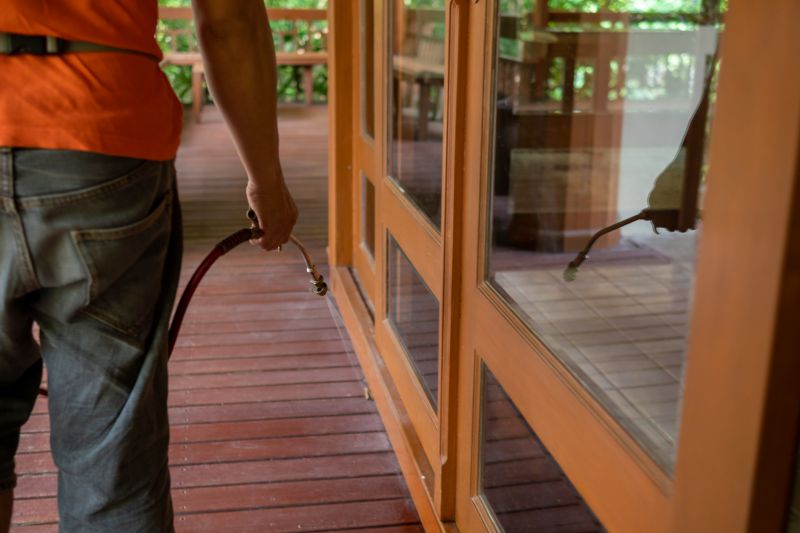
When choosing service providers to address seasonal ant activity and when to schedule pest control service, it’s important to consider their experience with similar projects. Homeowners should look for local contractors who have a track record of effectively managing ant infestations during specific times of the year. An experienced professional will understand the seasonal patterns of ant behavior and be able to recommend appropriate treatment strategies tailored to the local climate and ant species. This expertise can help ensure that the pest control measures are both timely and effective, reducing the likelihood of recurring issues.
Clear communication and well-defined written expectations are essential when comparing local pros for seasonal ant pest control services. Homeowners should seek providers who can articulate their approach, including the scope of work, the types of treatments used, and any follow-up procedures. Having detailed information in writing can help prevent misunderstandings and ensure that all parties are aligned on the goals and process of the service. Transparent communication also makes it easier to evaluate whether a contractor’s methods align with the homeowner’s preferences and needs.
Reputable references and a reputation for professionalism are key factors when selecting local contractors for seasonal ant activity management. Homeowners are encouraged to seek out providers who can offer references or reviews from previous clients, especially those who have dealt with similar ant issues during specific seasons. Good communication skills, responsiveness, and a professional approach can significantly impact the overall experience and effectiveness of the pest control service. By carefully comparing these qualities, homeowners can find service providers who are capable of delivering reliable, thorough, and timely solutions for seasonal ant activity.
Property owners often search for seasonal ant activity and when to schedule pest control service when they are planning practical projects around their homes and businesses. Local pros provide Seasonal Ant Pest Control services for everyday jobs and straightforward project options.

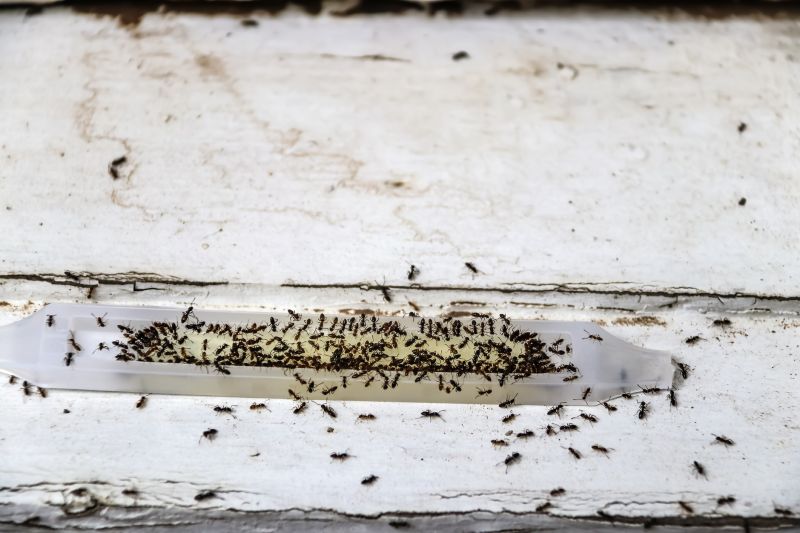
Understanding seasonal ant activity and when to schedule pest control service is essential for property owners dealing with ant problems throughout the year. Ants tend to become more active during warmer months when they search for food and nesting sites, often leading to increased sightings indoors and outside. Recognizing these patterns can help property owners decide the right time to seek assistance from local contractors who specialize in ant pest control, ensuring that infestations are managed before they become more difficult to control.
Timing is also a key factor in effective ant pest management. Scheduling pest control services before peak activity seasons can help prevent large colonies from establishing a foothold on the property. Local service providers can assess the property’s specific needs and recommend the best times for treatments, which can be especially helpful during transitional seasons when ant activity may start to rise. Consulting with experienced contractors can provide peace of mind and help maintain a pest-free environment year-round.
When does seasonal ant activity typically begin? Seasonal ant activity often starts in early spring as temperatures rise, prompting ants to emerge and search for food and nesting sites.
What signs indicate it's time to schedule pest control for ants? Increased ant sightings around the home, especially during peak activity periods, are signs that pest control services from local contractors may be needed.
How does seasonal ant activity vary throughout the year? Ant activity usually peaks in warmer months like late spring and summer, then diminishes during cooler seasons, influencing the timing of pest control treatments.
When should homeowners consider scheduling pest control services for seasonal ant control? It’s advisable to schedule pest control before ant activity peaks, typically in early spring or late winter, to prevent infestations.
Why is timing important for seasonal ant pest control? Proper timing ensures treatments are effective in reducing ant populations during their active periods and can help prevent future invasions.
Monitor ant activity patterns - property owners can observe seasonal changes in ant behavior to determine optimal times for pest control services from local contractors.
Schedule treatments ahead of peak activity - planning pest control before ant populations surge during specific seasons can help prevent infestations.
Identify high-risk periods - understanding when ant activity is most likely to increase allows property owners to coordinate with local pros for timely interventions.
Implement preventative measures seasonally - integrating routine pest control services during key seasonal transitions can reduce the likelihood of ant problems developing.
If you are thinking about seasonal ant activity and when to schedule pest control service for a property, this guide is meant to help you understand this topic, the typical project types, and how different options might fit your plans.
When you are ready, you can use the quote form on this page to share a few details about your project. From there, local pros can review the basics and follow up with options that match what you have in mind.