How Spiders Affect Commercial Properties
Commercial spider control services help protect properties by reducing spider populations, preventing infestations, and minimizing the risk of bites or pest-related damage with the help of trusted local contractors.
Understanding how spiders affect commercial properties is important for business owners and property managers alike. While many associate spiders with minor nuisances, their presence can sometimes indicate underlying issues or create concerns related to cleanliness, hygiene, and overall property appearance. Property owners in the area may want to explore this topic to learn about effective ways to manage spider activity, prevent infestations, and maintain a professional environment. Local contractors specializing in commercial spider control can provide practical solutions to address these concerns, helping to keep properties safe, clean, and inviting for clients and employees alike.
Exploring how spiders affect commercial properties also offers insight into the potential impacts on business operations and property value. Unwanted spider activity can lead to increased pest-related worries or even damage to stored goods and building infrastructure. By understanding these risks, property owners can make informed decisions about pest management strategies. Connecting with experienced service providers in the area can ensure that effective, tailored spider control measures are put in place, supporting the ongoing maintenance and appeal of commercial spaces. Keep reading to discover more about how local pros can help manage spider-related challenges effectively.
- Commercial building inspections - when businesses notice increased spider activity or signs of infestation, local contractors can assess the property and recommend targeted control measures.
- Exterior pest barrier installation - property owners seeking to prevent spiders from entering can rely on local service providers to set up effective barriers around the building perimeter.
- Interior spider removal - if spiders have established themselves inside a commercial space, local pros can safely remove them and implement strategies to reduce future intrusions.
- Sanitation and clutter management - businesses wanting to minimize spider habitats within their premises can work with local contractors to improve cleanliness and reduce hiding spots.
- Ongoing pest management plans - commercial properties facing persistent spider issues benefit from regular maintenance programs offered by local service providers to keep infestations under control.

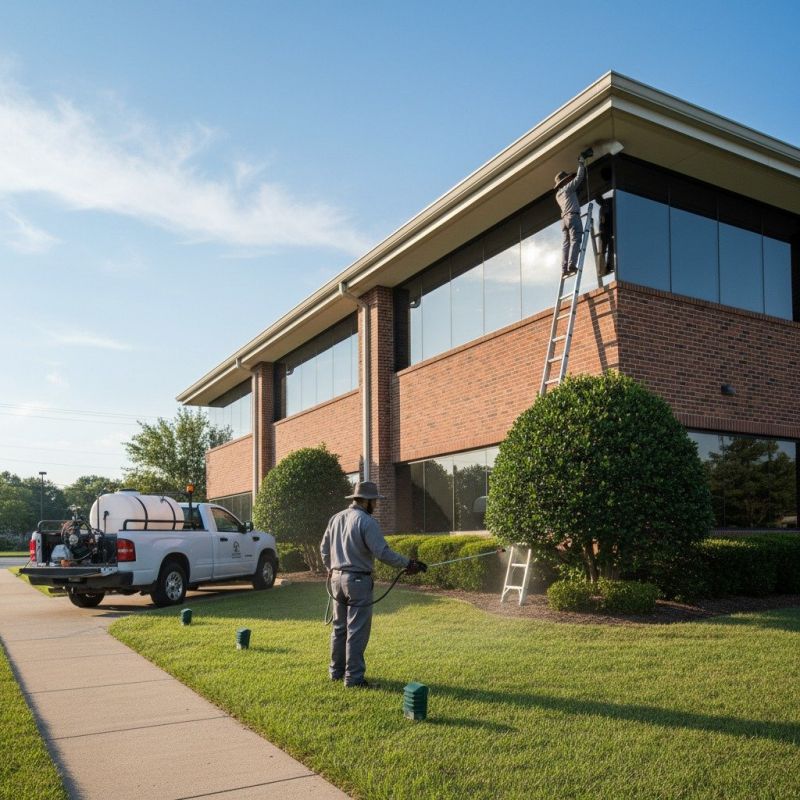
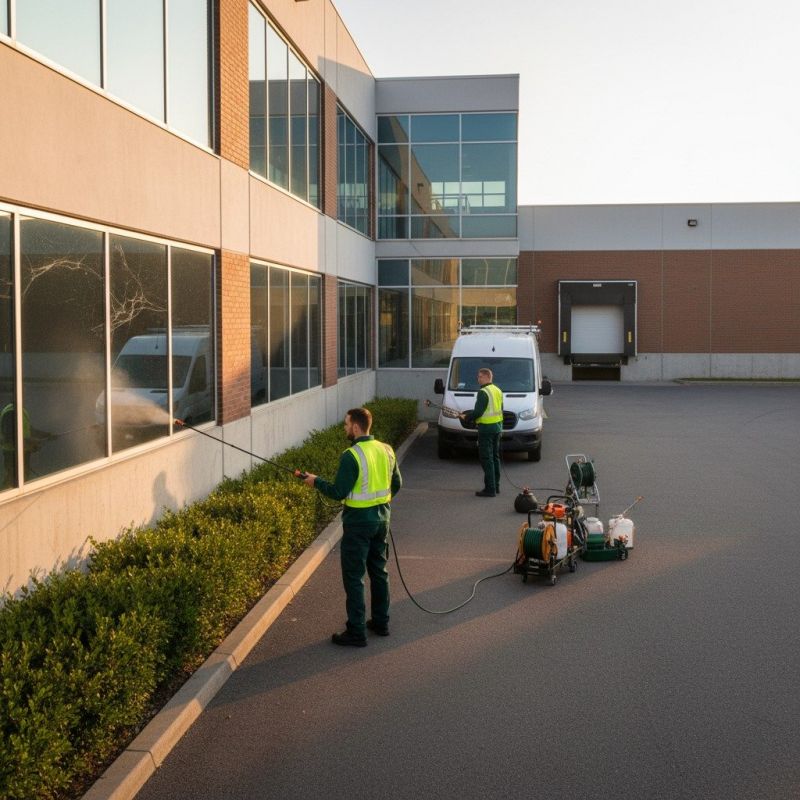
When people search for how spiders affect commercial properties, they are often concerned about the presence and potential problems caused by these arachnids in business environments. This topic typically comes up in the context of pest management and property maintenance plans. Business owners or property managers may notice spider webs, increased spider activity, or even spider bites among staff or visitors. Understanding how spiders impact commercial spaces helps in evaluating whether professional control measures are necessary to maintain a safe, clean, and professional-looking environment.
The issues related to how spiders affect commercial properties often involve more than just the presence of webs. Spiders can contribute to clutter and create an unkempt appearance that might deter customers or clients. In some cases, certain spider species may pose health concerns, especially if they are venomous or if their webs accumulate dust and debris. Additionally, large spider populations can attract other pests or insects, leading to a broader pest management challenge. Property owners may also consider long-term plans for pest prevention, which often include working with local service providers who specialize in spider control.
Commercial properties that are frequently discussed in this context include warehouses, retail stores, office buildings, restaurants, and manufacturing facilities. These spaces often have structural features such as high ceilings, storage areas, and exterior landscaping that can provide ideal habitats for spiders. Buildings with open access points, such as doors and windows, can also facilitate spider entry. Property managers of these types of spaces might seek out local contractors who offer targeted spider control services to reduce spider activity and prevent webs from forming in visible or critical areas.
Understanding how spiders affect commercial properties highlights the importance of professional spider control services. Local contractors with experience in commercial environments can assess specific property conditions and implement effective control strategies. These services often focus on reducing spider populations, removing webs, and sealing entry points to prevent future infestations. For property owners and managers, working with local service providers ensures that pest issues are managed efficiently, helping to maintain a professional appearance and a pest-free environment that supports business operations.
Building inspection services involve assessing structures for pest entry points and nesting sites, which is essential for preventing spider infestations in commercial properties.
Pest exclusion services focus on sealing cracks and gaps to block spiders and other pests from entering commercial spaces, reducing the risk of issues related to how spiders affect properties.
Rodent control services often address overlapping pest issues, as rodents can attract spiders, making these services relevant for comprehensive commercial pest management.
Sanitation and cleanup services help remove spider webs and debris that can serve as hiding spots, supporting efforts to minimize spiders' impact on commercial environments.
Structural repair services involve fixing damage or vulnerabilities that could serve as entry points for spiders, aiding in controlling how spiders affect commercial properties.
Warehouse pest management services are tailored to large commercial spaces, focusing on preventing spider nesting and reducing infestations that can disrupt operations.
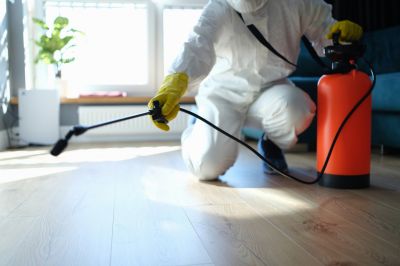
When comparing service providers for commercial spider control, it is important to consider their experience with similar projects. Service providers who have handled commercial properties comparable in size and type are more likely to understand the unique challenges involved in managing spider populations in such environments. An experienced contractor can offer insights into effective strategies for reducing spider activity and preventing future infestations, helping to ensure the health and safety of the property’s occupants and visitors.
Clear, written expectations are essential when evaluating potential contractors. A reputable service provider should be able to outline the scope of work, treatment methods, and any follow-up procedures in a detailed proposal or service agreement. This transparency helps prevent misunderstandings and ensures that all parties are aligned on the goals of the project. Knowing exactly what to expect from the service can also make it easier to compare different providers and choose the one that best meets the specific needs of the property.
Reputable references and good communication are key factors to consider during the selection process. Service providers who can provide references from other commercial clients demonstrate a track record of reliable work and customer satisfaction. Additionally, clear and prompt communication throughout the process indicates professionalism and a commitment to customer service. A contractor who listens carefully, answers questions thoroughly, and provides timely updates can make the experience of managing commercial spider control more straightforward and less stressful.
Property owners often search for how spiders affect commercial properties when they are planning practical projects around their homes and businesses. Local pros provide Commercial Spider Control services for everyday jobs and straightforward project options.
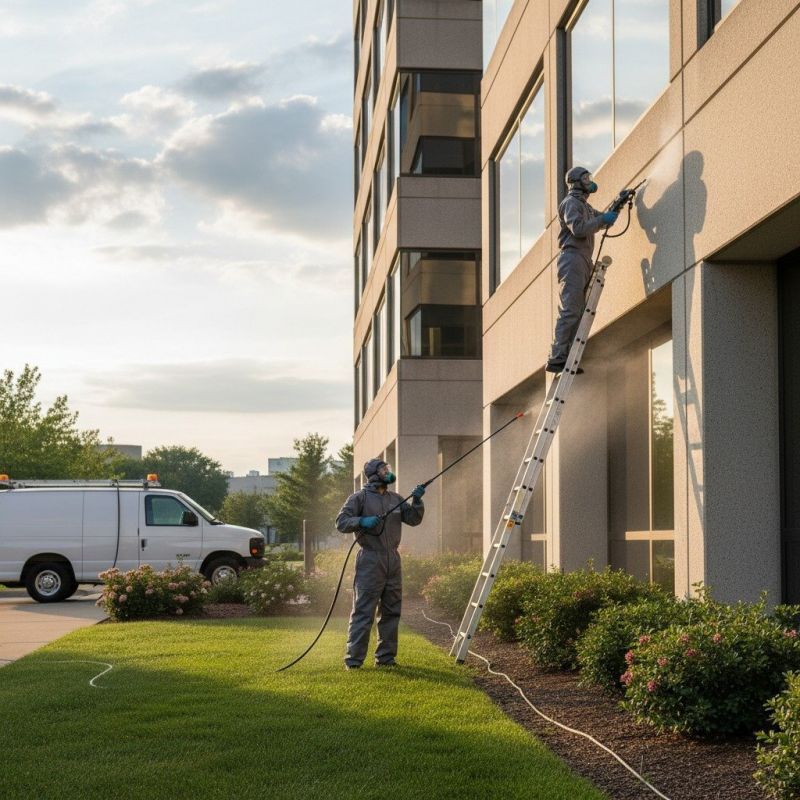
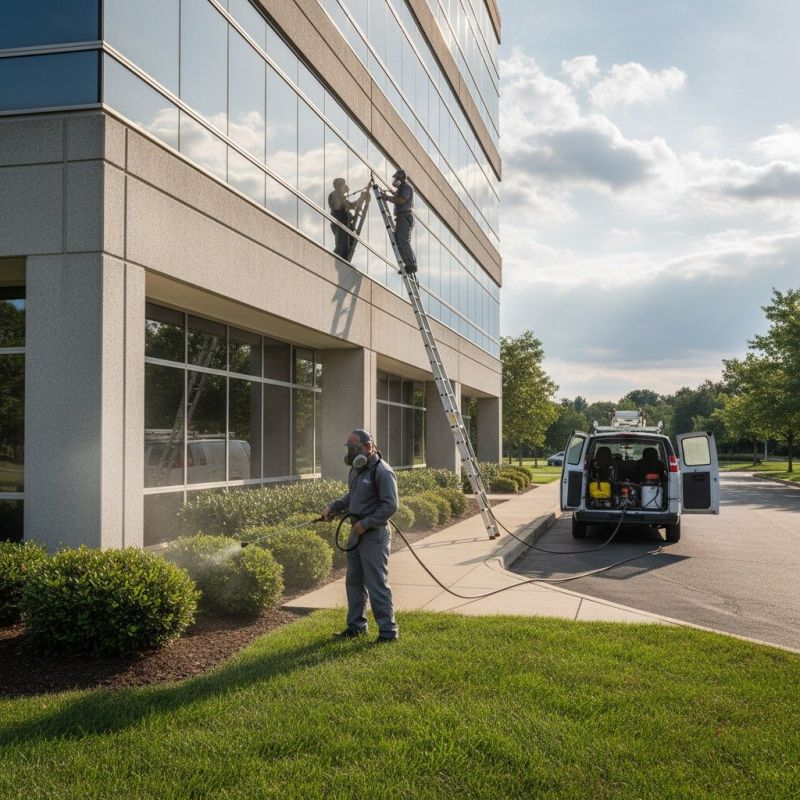
Understanding how spiders affect commercial properties is important for many local business owners and property managers. In everyday project situations, concerns often arise when spider activity begins to impact the appearance of a building or creates an unsettling environment for staff and visitors. Excessive spider webs or sightings can give an impression of neglect or uncleanliness, potentially affecting customer perceptions and tenant satisfaction. Property owners seeking to maintain a professional and inviting space might look into commercial spider control services to address these issues efficiently.
Additionally, some commercial properties may face challenges related to the presence of spiders that could pose health or safety risks. For example, certain spider species can be venomous, raising concerns about potential bites or allergic reactions among employees or clients. When these concerns occur, property owners often consider reaching out to local contractors who specialize in spider control. These service providers can help manage and reduce spider populations, ensuring the property remains safe and visually appealing for everyone who visits or works there.
How do spiders impact the safety of commercial properties? Spiders can create webs and hide in dark corners, potentially leading to safety hazards such as slips or trips. Professional spider control services can help reduce these risks by removing spider habitats and webs.
Can spider infestations damage the structure of a commercial building? While spiders themselves do not cause structural damage, large infestations may indicate underlying issues with pests or clutter that can affect building integrity. Local contractors can address these concerns during treatment.
How do spiders affect customer or employee perceptions of a commercial space? The presence of spiders and their webs can give an impression of neglect or uncleanliness, which may impact customer and employee confidence. Commercial pest control services can help maintain a professional appearance.
What health concerns are associated with spiders in commercial properties? Although most spiders are harmless, some species can bite, causing allergic reactions or irritation. Professional control can minimize encounters and reduce health risks.
How can local contractors help prevent spider problems in commercial buildings? They can identify and eliminate spider habitats, seal entry points, and implement ongoing pest management strategies to keep spiders from returning.
Identifying spider-prone areas - property owners can work with local contractors to pinpoint locations where spiders are likely to build webs, such as corners, eaves, and entry points.
Implementing exclusion methods - local service providers can help install barriers like mesh screens and sealing gaps to prevent spiders from entering commercial spaces.
Maintaining cleanliness and clutter control - regular cleaning and organizing can reduce spider habitats, with local pros offering advice on best practices for pest prevention.
Applying targeted treatments - commercial properties can benefit from professional pest control services that use safe, effective treatments to reduce spider populations.
If you are thinking about how spiders affect commercial properties for a property, this guide is meant to help you understand this topic, the typical project types, and how different options might fit your plans.
When you are ready, you can use the quote form on this page to share a few details about your project. From there, local pros can review the basics and follow up with options that match what you have in mind.