Cricket Control Strategies For Warehouses And Storage Facilities
People searching for cricket control strategies for warehouses and storage facilities often seek effective pest management; local service providers can implement tailored solutions to keep these pests out.
If you manage a warehouse or storage facility, understanding effective cricket control strategies is essential to maintaining a clean and pest-free environment. Crickets can become a persistent nuisance, potentially damaging stored goods and attracting other unwanted pests. Property owners in the area who are exploring solutions may find that partnering with experienced service providers can make a significant difference. Local contractors specializing in commercial cricket control offer practical approaches tailored to the unique needs of storage facilities, helping to prevent infestations before they start.
Continuing to read can provide valuable insights into how professional cricket control services can support the ongoing health and safety of warehouse environments. These experts often utilize targeted techniques to address common entry points and breeding areas, ensuring a comprehensive approach to pest management. By connecting with local service providers who understand the specific challenges faced by storage facilities, property owners can access effective, reliable strategies that keep crickets and other pests at bay, safeguarding their investments and operations.
- Cricket exclusion services - needed when warehouses experience recurring cricket infestations that disrupt operations, with local contractors implementing physical barriers and sealing entry points.
- Infestation assessment and inspection - essential for identifying the extent of cricket problems in storage facilities, with service providers conducting thorough evaluations to develop targeted control strategies.
- Sanitation and debris removal - important when clutter and debris attract crickets, with local pros advising on cleaning practices and debris elimination to reduce attractants.
- Chemical treatment and baiting - used when infestations are severe, with contractors applying safe, effective insecticides and bait stations to control cricket populations.
- Preventative maintenance and sealing - necessary for long-term control, with local service providers advising on sealing cracks and maintaining building integrity to prevent future cricket entry.
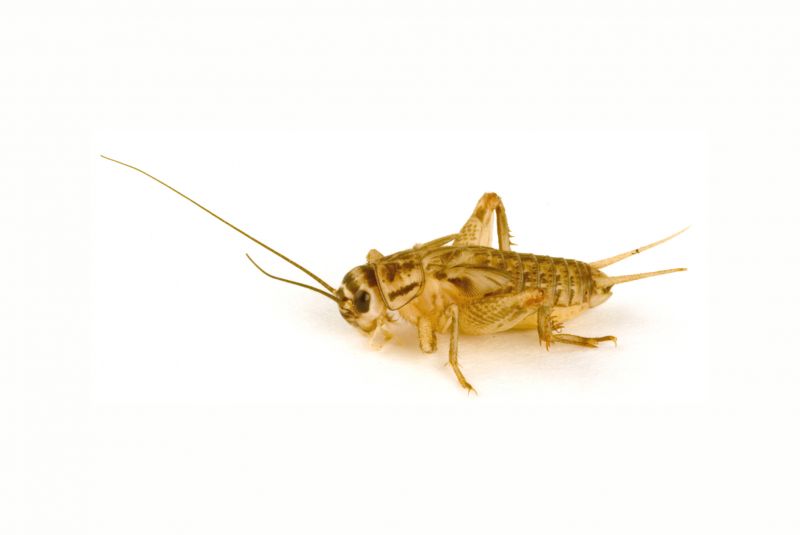
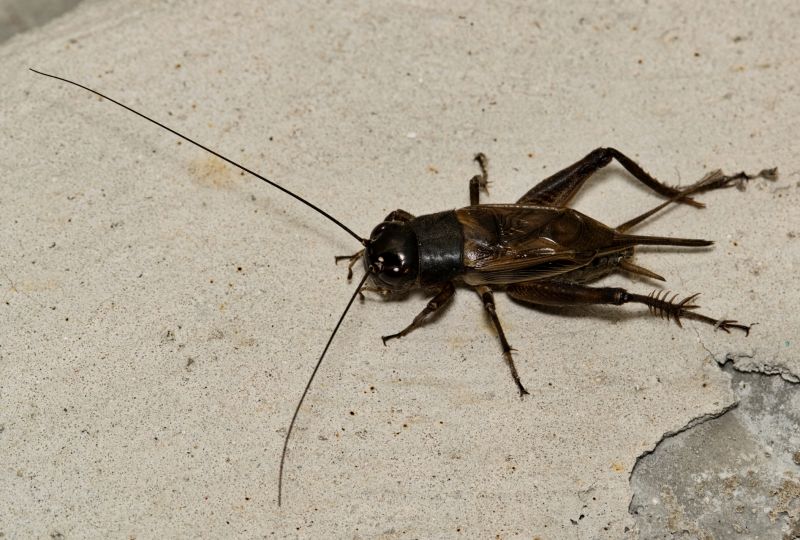
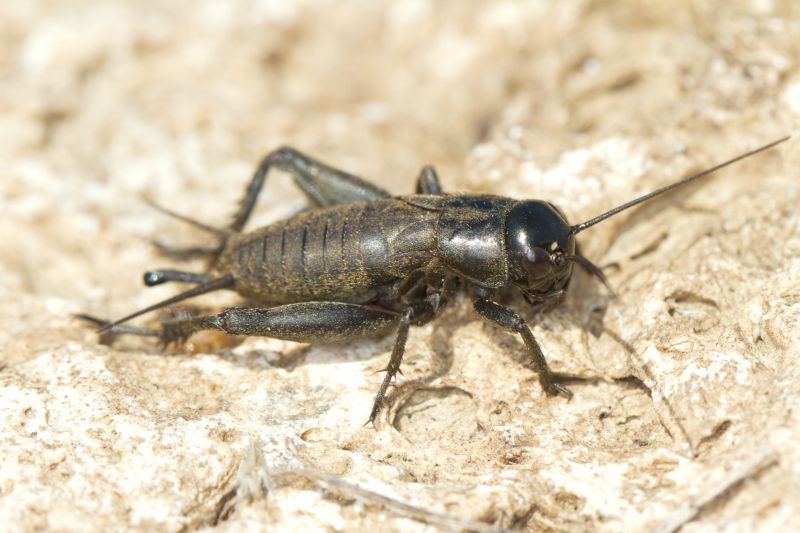
When people search for cricket control strategies for warehouses and storage facilities, they are typically looking for effective ways to manage and prevent cricket infestations in large commercial or industrial properties. These searches often relate to problems like cricket populations damaging stored goods, contaminating products, or creating an unsanitary environment. Property owners and managers may be exploring plans to reduce entry points, eliminate hiding spots, or implement ongoing pest management routines. The goal is to develop a comprehensive approach that minimizes cricket activity and protects inventory, especially in spaces with high humidity, clutter, or access points that make entry easier for these pests.
The scope of cricket control strategies for warehouses and storage facilities often involves addressing specific problems such as cracks, gaps, or openings around doors, windows, and utility lines that serve as entry points. These properties may also include areas with stored materials that provide shelter or food sources for crickets, like cardboard boxes, paper, or organic debris. Additionally, strategies may focus on reducing moisture levels, cleaning cluttered spaces, and sealing potential hiding spots to make the environment less attractive to crickets. Developing a plan often requires a combination of physical barriers, sanitation practices, and targeted treatments to effectively control and prevent infestations.
Typical properties that come up in discussions about cricket control include large commercial warehouses, distribution centers, storage units, and industrial facilities. These spaces often have expansive open areas with high ceilings, multiple entry points, and storage zones that can harbor pests. Warehouses with cluttered shelving, stored pallets, or organic debris are especially vulnerable, as they provide ideal environments for crickets to thrive. Storage facilities that hold food products, textiles, or paper goods are also common sites where cricket control strategies are necessary to prevent damage and maintain hygiene standards. These properties generally require tailored solutions that address their size, layout, and specific pest pressure.
For homeowners or property managers seeking to implement cricket control strategies for warehouses and storage facilities, connecting with local service providers can be a vital step. These professionals bring experience in assessing property vulnerabilities, identifying entry points, and applying targeted treatments that align with the unique needs of each property. They can help develop customized plans that include sealing, sanitation, and pest management techniques designed to reduce cricket populations effectively. Working with local pros ensures that property owners have access to practical, proven methods to control crickets and safeguard their storage spaces, ultimately maintaining a cleaner, pest-free environment.
Pest Inspection Services - professionals who conduct thorough inspections to identify pest entry points and nesting areas, essential for developing effective cricket control strategies in warehouses and storage facilities.
Rodent Control Projects - local contractors experienced in managing rodent populations often possess skills applicable to controlling cricket infestations through integrated pest management techniques.
Storage Facility Sanitation Services - cleaning and sanitation experts help reduce attractants for crickets and other pests, supporting broader pest control efforts in storage environments.
Building Sealant and Repair Projects - contractors who specialize in sealing cracks and repairing structural issues can help prevent pest entry, complementing cricket control strategies.
Warehouse Pest Management Consulting - consultants providing tailored pest management plans can advise on implementing effective cricket control strategies within storage facilities.
Environmental Modification Services - specialists who modify storage environments to reduce pest harborage areas support the effectiveness of cricket control efforts.

When evaluating service providers for cricket control strategies in warehouses and storage facilities, it is important to consider their experience with similar projects. A contractor who has handled cricket control in environments comparable to storage facilities will better understand the unique challenges involved, such as managing pests in large, cluttered spaces or addressing specific entry points. An experienced local contractor can offer insights into effective methods that have proven successful in similar settings, helping ensure the chosen approach is practical and tailored to the needs of a warehouse environment.
Clear written expectations are essential for a smooth and transparent working relationship. When comparing local contractors, it’s helpful to review the scope of work they propose, including the specific cricket control strategies they plan to implement, the materials they will use, and the steps involved in the process. Having these details documented can prevent misunderstandings and ensure that both parties are aligned on the goals and responsibilities. A reputable service provider will be willing to provide comprehensive explanations and clarify any questions to help make an informed decision.
Reputable references and effective communication are also key factors when selecting a contractor for commercial cricket control services. Asking for references from previous clients who have had similar work done can provide valuable insights into the contractor’s reliability, professionalism, and success rate. Additionally, a service provider that communicates clearly and promptly can make the entire process more straightforward, from initial consultation to project completion. Good communication ensures that expectations are understood and any concerns are addressed promptly, contributing to a more efficient and satisfactory experience.
Property owners often search for cricket control strategies for warehouses and storage facilities when they are planning practical projects around their homes and businesses. Local pros provide Commercial Cricket Control services for everyday jobs and straightforward project options.


Cricket control strategies for warehouses and storage facilities are essential for property owners who want to prevent infestations that can disrupt operations and damage stored goods. Common situations include noticing increased cricket activity in storage areas, or finding signs like droppings and damage on packaging. In these cases, property owners often look for straightforward, effective solutions that can be implemented quickly and safely. Local contractors specializing in commercial cricket control can assess the specific needs of the space and recommend targeted measures to reduce cricket populations and prevent future issues.
Many property owners in the area turn to experienced service providers for ongoing cricket management in warehouses and storage facilities. These professionals typically use a combination of exclusion techniques, sanitation advice, and targeted treatments to keep crickets out of critical areas. Choosing the right local contractor can help ensure that strategies are tailored to the facility’s layout and needs, minimizing disruption while maintaining a pest-free environment. For those seeking practical, reliable cricket control solutions, connecting with local experts can provide peace of mind and effective results.
What are effective cricket control strategies for warehouses and storage facilities? Local contractors typically recommend a combination of sealing entry points, removing food sources, and applying targeted treatments to prevent cricket infestations in warehouses and storage areas.
How can warehouses prevent crickets from entering the premises? Professional service providers suggest sealing cracks, gaps, and vents, along with maintaining cleanliness to reduce attractants, making it harder for crickets to gain access.
Are there specific treatments used to control crickets in storage facilities? Yes, local contractors often use residual insecticides and baiting systems designed for indoor environments to effectively reduce cricket populations.
What maintenance practices support long-term cricket control in warehouses? Regular inspections, prompt removal of debris, and ongoing sealing of potential entry points help sustain effective cricket control over time.
Can professional cricket control services be integrated with warehouse pest management plans? Yes, local service providers can tailor cricket control strategies to complement existing pest management efforts, ensuring comprehensive protection for storage facilities.
Seal entry points - Identifying and sealing gaps or cracks in walls and doors can prevent crickets from entering storage areas, making it easier for service providers to implement effective control measures.
Eliminate hiding spots - Clearing clutter and removing debris around the facility reduces cricket harborage areas, supporting the efforts of local contractors to maintain a pest-free environment.
Implement sanitation practices - Regular cleaning of storage spaces and surrounding areas discourages cricket activity by removing food sources and moisture that attract pests.
Schedule routine inspections - Regular assessments by local pros can detect early signs of cricket activity and allow for timely intervention with targeted control strategies.
If you are thinking about cricket control strategies for warehouses and storage facilities for a property, this guide is meant to help you understand this topic, the typical project types, and how different options might fit your plans.
When you are ready, you can use the quote form on this page to share a few details about your project. From there, local pros can review the basics and follow up with options that match what you have in mind.