Get Grub Prevention in Dayton, OH
Grub Prevention services for Dayton, OH property owners help address pest infestations, prevent future outbreaks, and involve tasks like soil treatment, barrier installation, and ongoing monitoring by local contractors.
Property owners in Dayton, OH seeking effective solutions to prevent pest infestations can find valuable assistance by exploring local service providers experienced in grub prevention. Proper planning and proactive measures can help maintain healthy lawns and gardens, reducing the risk of future pest problems. Comparing options from nearby contractors allows for informed decisions tailored to specific property needs, ensuring that the chosen approach aligns with the unique characteristics of Dayton’s environment.
Continuing to explore available services can provide insights into the most suitable methods for protecting outdoor spaces against grubs and other pests. Connecting with local contractors who specialize in pest prevention offers a practical step toward implementing effective, long-term solutions. Keep reading to learn more about how professional assistance can support property maintenance efforts in the Dayton area.
- Gutter Repair - needed when clogged or damaged gutters cause water to overflow and attract pests in Dayton neighborhoods.
- Gutter Cleaning - essential when debris buildup in gutters creates standing water that draws insects and rodents.
- Gutter Installation - required when installing new gutters to improve drainage and prevent pest nesting around your home.
- Gutter Maintenance - recommended for ongoing pest prevention by ensuring gutters remain clear and functional.
- Gutter Replacement - necessary when old or severely damaged gutters no longer effectively protect your property from pests.
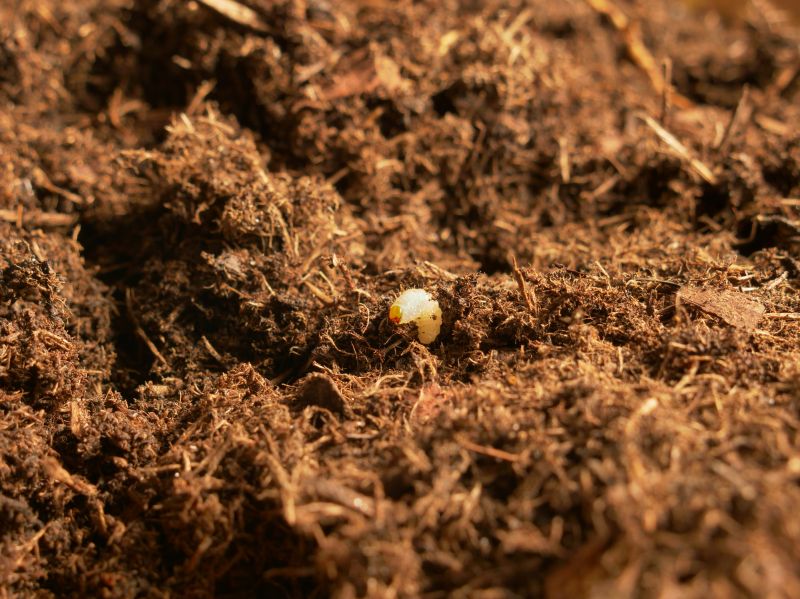
Grub prevention services focus on identifying and mitigating conditions that attract pests like ants, beetles, and other insects into residential properties. These services typically involve inspecting the exterior and interior of a home to locate potential entry points, food sources, and moisture issues that can draw unwanted critters. Contractors may recommend sealing cracks, removing debris, and treating problem areas to create a barrier that discourages pests from entering. The goal is to address the root causes of infestations before they become large or difficult to manage.
These services help solve common pest-related problems such as ant invasions, beetle infestations, and other small insects that can quickly become nuisances or cause damage. Pests often enter homes through tiny cracks or gaps around doors, windows, and foundations, especially when food crumbs, standing water, or clutter provide easy resources. Grub prevention efforts aim to eliminate these attractants and make properties less inviting, reducing the likelihood of recurring issues and minimizing the need for ongoing pest control treatments.
Properties that typically benefit from grub prevention services include residential homes, especially those in areas with high pest activity or older structures with existing entry points. Homes with visible signs of pests, such as ants or beetles, often see preventative work as a way to avoid future infestations. Additionally, properties with gardens, compost bins, or outdoor storage areas may be more prone to pests and can benefit from targeted prevention measures. These services are suitable for homeowners seeking to maintain a pest-free environment and protect their property from damage caused by insects.
Homeowners who notice early signs of pest activity or want to proactively defend their property often turn to local service providers offering grub prevention. These professionals assess the property’s specific vulnerabilities and recommend tailored solutions to keep pests at bay. Whether dealing with a current problem or aiming to prevent one, connecting with experienced contractors can help create a less inviting environment for pests, supporting a comfortable and pest-free home environment.
The overview below groups typical Grub Prevention projects into broad ranges so you can see how smaller, mid-sized, and larger jobs often compare in Dayton, OH.
In many markets, a large share of routine jobs stays in the lower and middle ranges, while only a smaller percentage of projects moves into the highest bands when the work is more complex or site conditions are harder than average.
Smaller Repairs - Typical costs for minor grub prevention services in Dayton, OH range from $250 to $600. Many routine jobs fall within this middle band, covering basic inspections and simple treatments. Fewer projects reach the higher end of this range, which usually involves additional work or materials.
Moderate Projects - More extensive grub prevention efforts, such as soil treatments or partial landscape adjustments, often cost between $600 and $1,200. These projects are common for homeowners seeking proactive measures without full landscape overhaul. Larger, more complex jobs can exceed this range but are less frequent.
Full Landscape Treatments - Complete preventative programs for larger properties typically cost from $1,200 to $3,000. Many local contractors handle these mid-tier projects regularly, while very large or detailed jobs may approach $5,000 or more, though such projects are less common.
Full Replacement or Major Landscaping - In cases where extensive damage has occurred, full replacement or comprehensive landscape redesigns can range from $3,000 to $10,000+. These high-end projects are less frequent and usually involve significant planning and materials, handled by specialized service providers.
Actual totals will depend on details like access to the work area, the scope of the project, and the materials selected, so use these as general starting points rather than exact figures.
Pest Control Projects - Local contractors specializing in pest control can implement treatments to prevent grub infestations and protect lawns in Dayton, OH.
Landscaping and Lawn Care Projects - Landscaping experts can design and install features that reduce grub attraction and promote healthy turf growth.
Soil Treatment Services - Soil treatment providers can apply preventive solutions that target grub larvae and improve soil health.
Drainage System Installations - Drainage specialists can help modify yard drainage to minimize excess moisture that attracts grubs.
Fertilization and Lawn Maintenance Projects - Lawn care professionals can recommend and apply fertilization plans that strengthen grass resistance against pests.
Tree and Shrub Care Services - Arborists and plant care experts can assess and treat trees and shrubs to prevent pests that may carry into turf areas.
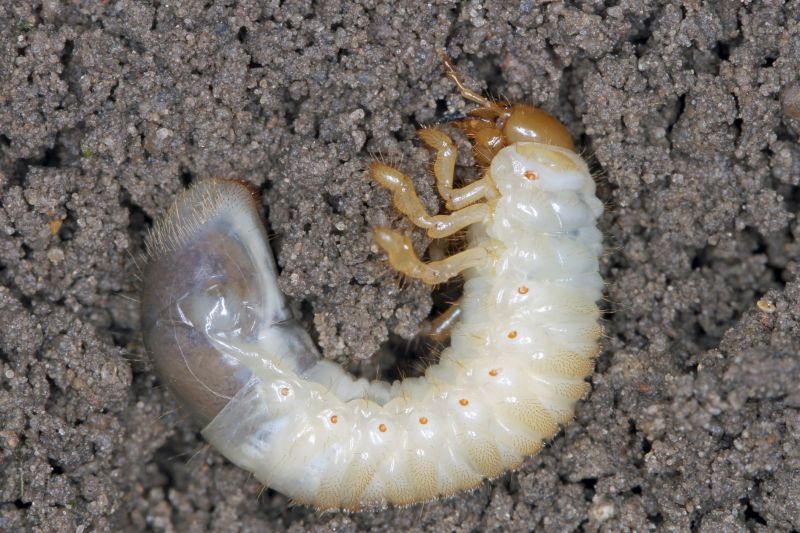
When comparing service providers for grub prevention, it's important to consider their experience with similar projects. Homeowners should look for local contractors who have a proven track record in managing pest control tasks related to grub prevention in properties comparable to their own. A contractor’s familiarity with the specific challenges faced in Dayton, OH, and nearby areas can be a helpful indicator of their capability to deliver effective results. Asking for details about past work or checking references can provide insight into their expertise and reliability in handling projects similar to yours.
Clear written expectations are essential when evaluating potential service providers. Homeowners should seek detailed descriptions of the scope of work, what the service includes, and any follow-up procedures. A reputable local contractor will be transparent about what the grub prevention process entails and ensure that all aspects are clearly documented. This clarity helps prevent misunderstandings and ensures that both parties have aligned expectations before the work begins, making the process smoother and more predictable.
Effective communication and reputable references play a crucial role in selecting a service provider. Homeowners should prioritize local pros who are known for their responsiveness and clarity in communication, whether through phone, email, or in-person conversations. Additionally, requesting references from previous clients who have had similar work done can offer valuable insights into the contractor’s professionalism and quality of service. While the site introduces homeowners to local options, it’s important to remember that the actual work is performed by the service providers themselves, so choosing a communicator and reference-verified contractor is key to a successful project.
Property owners in Dayton, OH use Grub Prevention services for practical projects around their homes and businesses. This guide focuses on everyday jobs and straightforward project options.
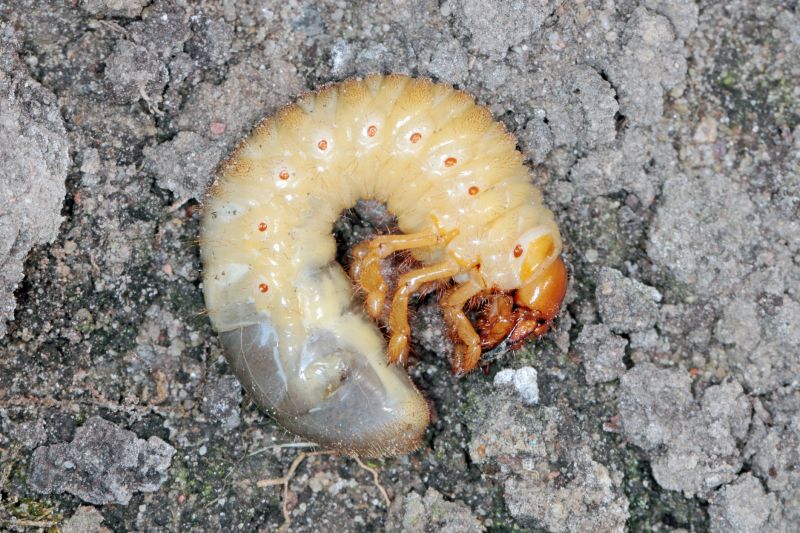
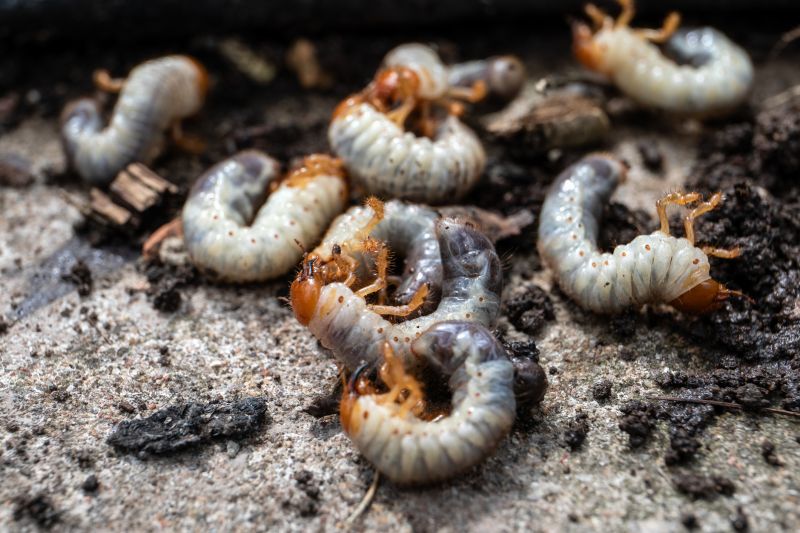
Property owners in Dayton, OH often seek Grub Prevention services to address common issues that can arise around their homes and commercial properties. For example, after noticing an increase in pest activity or droppings near foundations, many look for local contractors who can identify and eliminate potential nesting sites. Additionally, those experiencing frequent sightings of rodents or insects in basements, crawl spaces, or yard areas may want professional help to implement effective prevention measures that keep these pests from becoming a larger problem.
Dayton residents may also turn to local service providers when they want to protect their properties from future infestations caused by overgrown vegetation, debris, or improper waste storage. Simple reasons such as maintaining a clean yard, sealing entry points, or removing potential nesting spots can motivate property owners to connect with experts who specialize in pest prevention. These professionals can assess the property’s unique needs and recommend practical solutions to help keep pests out of sight and out of mind.
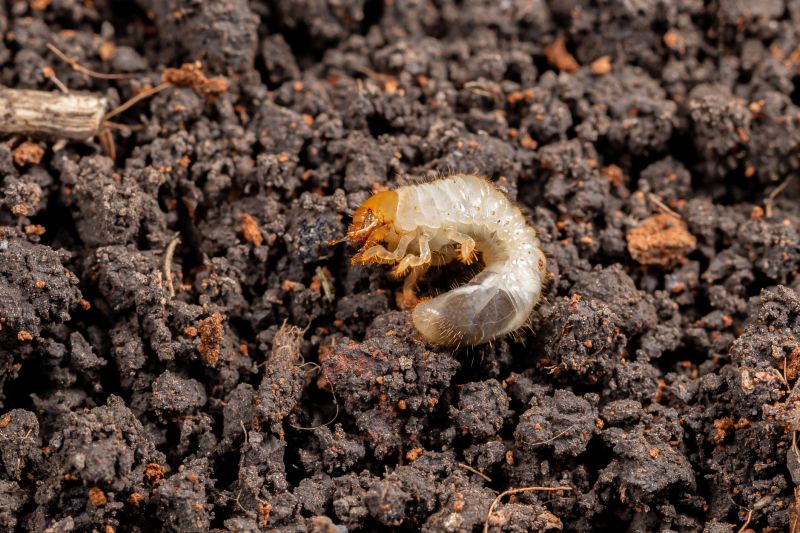
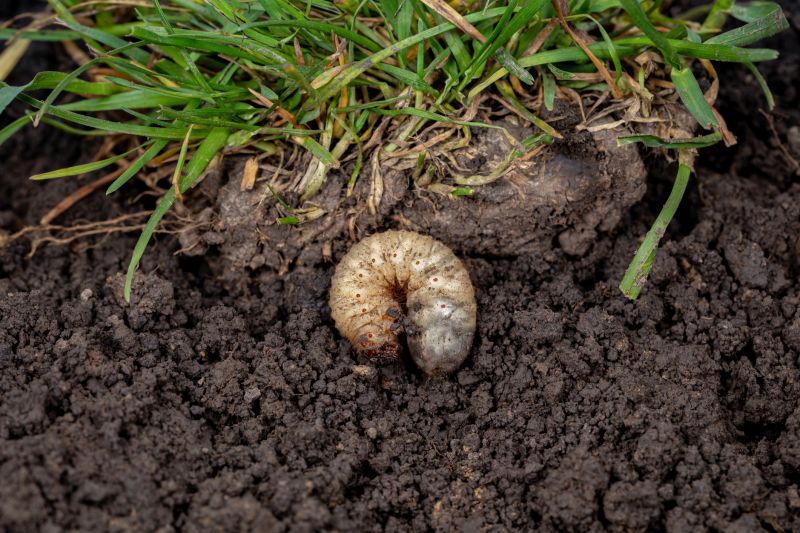
What are common signs of a grub infestation? Signs include irregular patches of dead grass, increased animal activity near the yard, and visible grubs in the soil when digging.
Can grub prevention services be combined with other lawn care treatments? Yes, many service providers offer integrated lawn care solutions that include grub prevention alongside fertilization or aeration.
How do local contractors typically prevent grubs in a yard? They often apply soil treatments or insecticides designed to target grub larvae before they cause extensive damage.
Are there specific times of year when grub prevention is most effective? Fall and early spring are common times for preventative treatments, as they target grub larvae during active development stages.
What should homeowners consider when choosing a service provider for grub prevention? It's important to select experienced local contractors who understand the area's soil and pest conditions to ensure effective prevention efforts.
Seal entry points - Property owners can work with local contractors to identify and seal gaps around doors, windows, and foundations to prevent pests from entering.
Maintain landscaping - Keeping grass trimmed and removing debris can reduce pest habitats, with guidance from nearby service providers.
Install barriers - Local pros can help set up physical barriers like mesh screens or fencing to block pests from accessing the property.
Eliminate attractants - Removing food sources, standing water, and clutter can be coordinated with local contractors to discourage pest activity.
If you are thinking about Grub Prevention for a property in Dayton, OH, this guide is meant to help you understand the work, the typical project types, and how different options might fit your plans.
When you are ready, you can use the quote form on this page to share a few details about your project. From there, local pros can review the basics and respond with options that match what you have in mind.